Understanding Nutrition in Daily Life
An educational overview of nutrition concepts as they relate to everyday activities and routines. This resource presents general information for awareness and context.
Explore general information
Understanding Active Daily Lifestyles

The concept of an active daily lifestyle encompasses various forms of movement and physical engagement that occur throughout ordinary routines. This includes walking, climbing stairs, household activities, and other forms of non-exercise physical engagement.
Different individuals experience varying levels of daily activity based on occupation, living environment, transportation choices, and personal circumstances. Urban environments may present different activity patterns compared to rural settings.
Understanding these patterns provides context for how nutrition topics are often discussed in relation to everyday life. The relationship between food choices and daily routines has been a subject of ongoing observation and documentation across various cultures and time periods.
Nutrition as a Daily Concept
Nutrition, in its broadest sense, refers to the process by which organisms obtain and utilize food substances. For humans, this involves the selection, preparation, and consumption of various foods and beverages as part of daily routines.
The study of nutrition encompasses multiple disciplines including biology, chemistry, and social sciences. Historical records show that different societies have developed diverse approaches to food selection and meal patterns over centuries.
Contemporary discussions about nutrition often consider factors such as food availability, cultural preferences, economic circumstances, and environmental conditions. These factors vary significantly across different regions and communities.
Nutrition information is presented here for general awareness. Individual circumstances vary widely, and multiple perspectives exist on most nutrition-related topics.
Common Food Categories Overview
Food classification systems organize edible items into categories based on various characteristics. Below are descriptions of commonly referenced food groupings.
Vegetables and Plant Foods
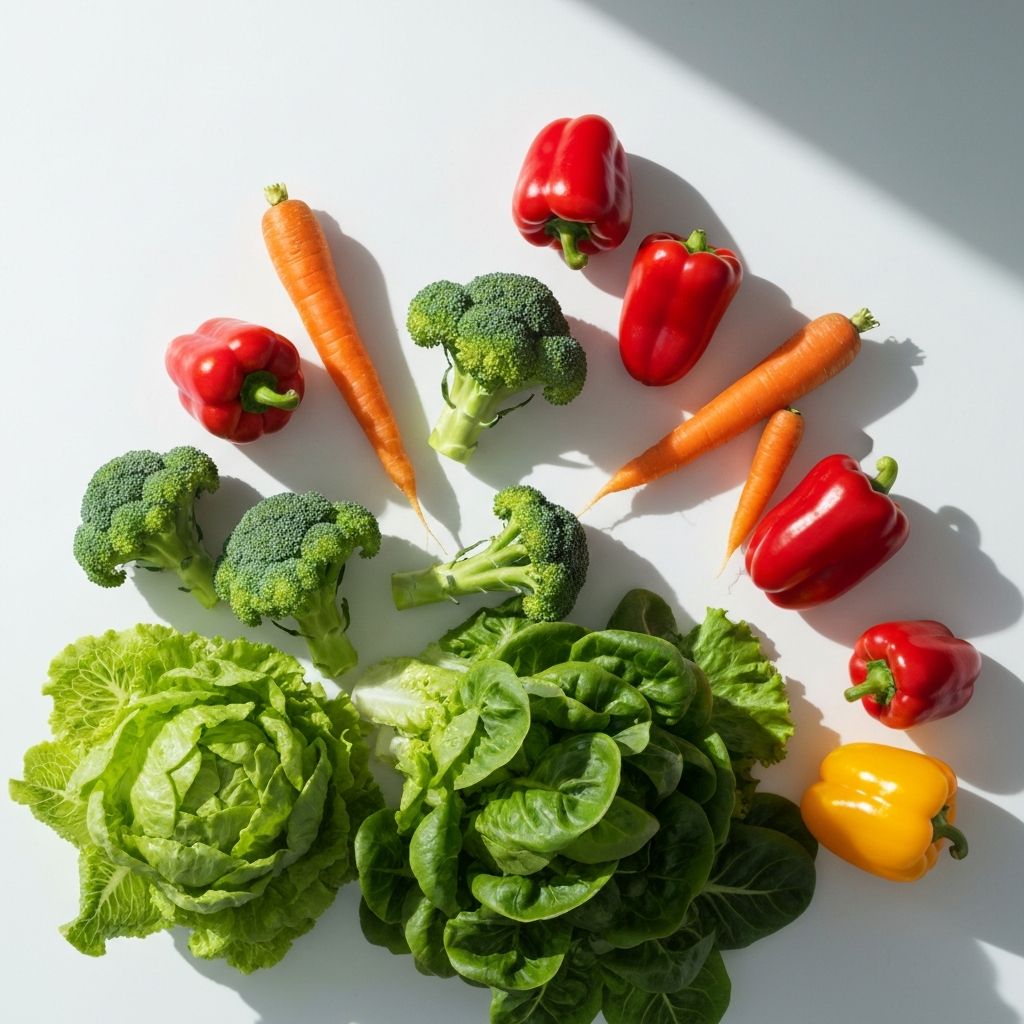
This category includes leaves, roots, stems, and other plant parts consumed as food. Vegetables appear in cuisines worldwide with preparation methods varying by cultural tradition.

Grains and Cereals
Grains have served as staple foods in many societies throughout history. Rice, wheat, corn, and other cereals form the basis of numerous traditional dishes across different cultures.
Protein Sources
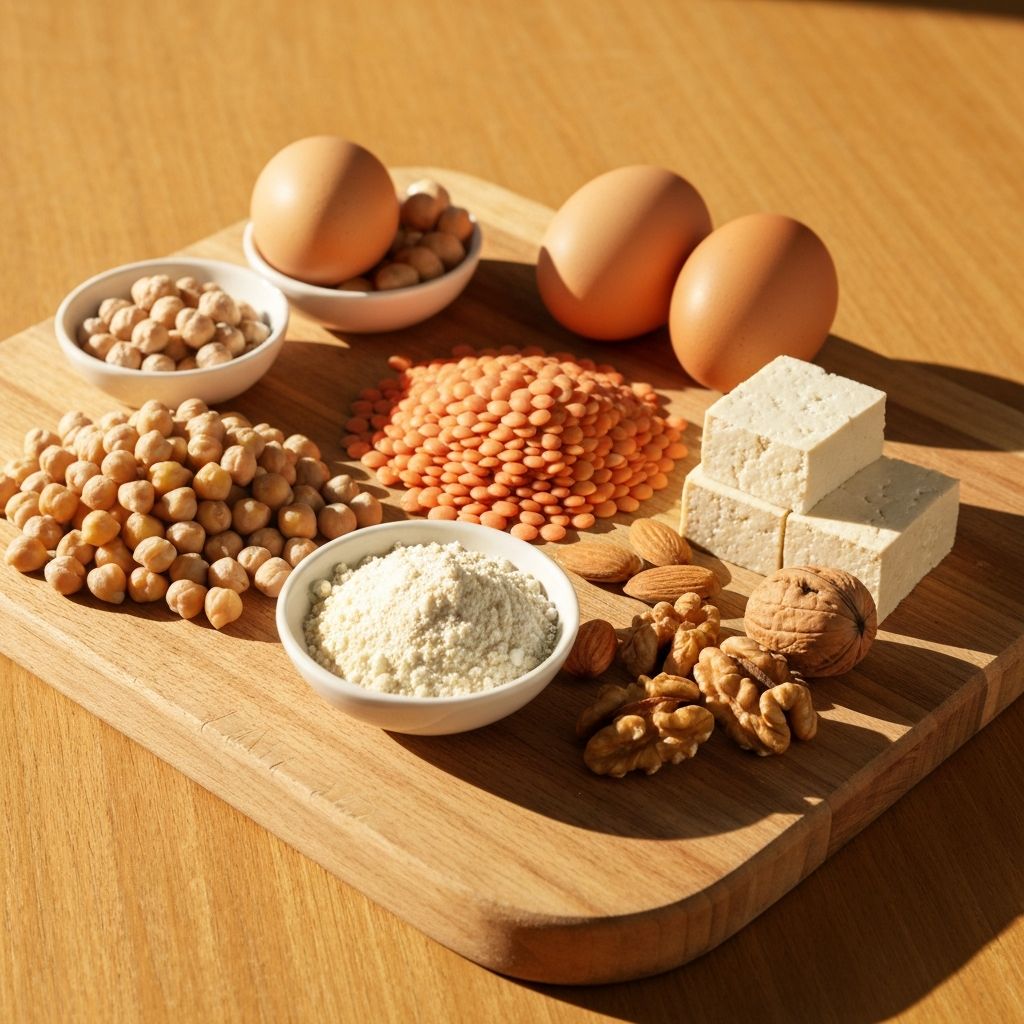
Foods containing protein come from both animal and plant origins. Legumes, nuts, eggs, dairy, fish, and meat represent various protein-containing food options observed in different dietary patterns.
Eating Patterns in Modern Routines

Modern life presents various contexts for food consumption. Work schedules, commuting patterns, and household responsibilities often influence when and how people eat throughout the day.
Meal timing varies considerably across different cultures and individual circumstances. Some traditions emphasize larger morning meals, while others center food consumption around midday or evening hours.
The availability of prepared foods, restaurants, and food delivery services has expanded options for meal acquisition in many urban areas. These developments reflect broader changes in lifestyle patterns observed over recent decades.
Home food preparation remains common in many households, with practices varying based on available time, cooking facilities, and cultural background. Food storage and preservation methods also influence household eating patterns.
Cultural Perspectives in Indonesia
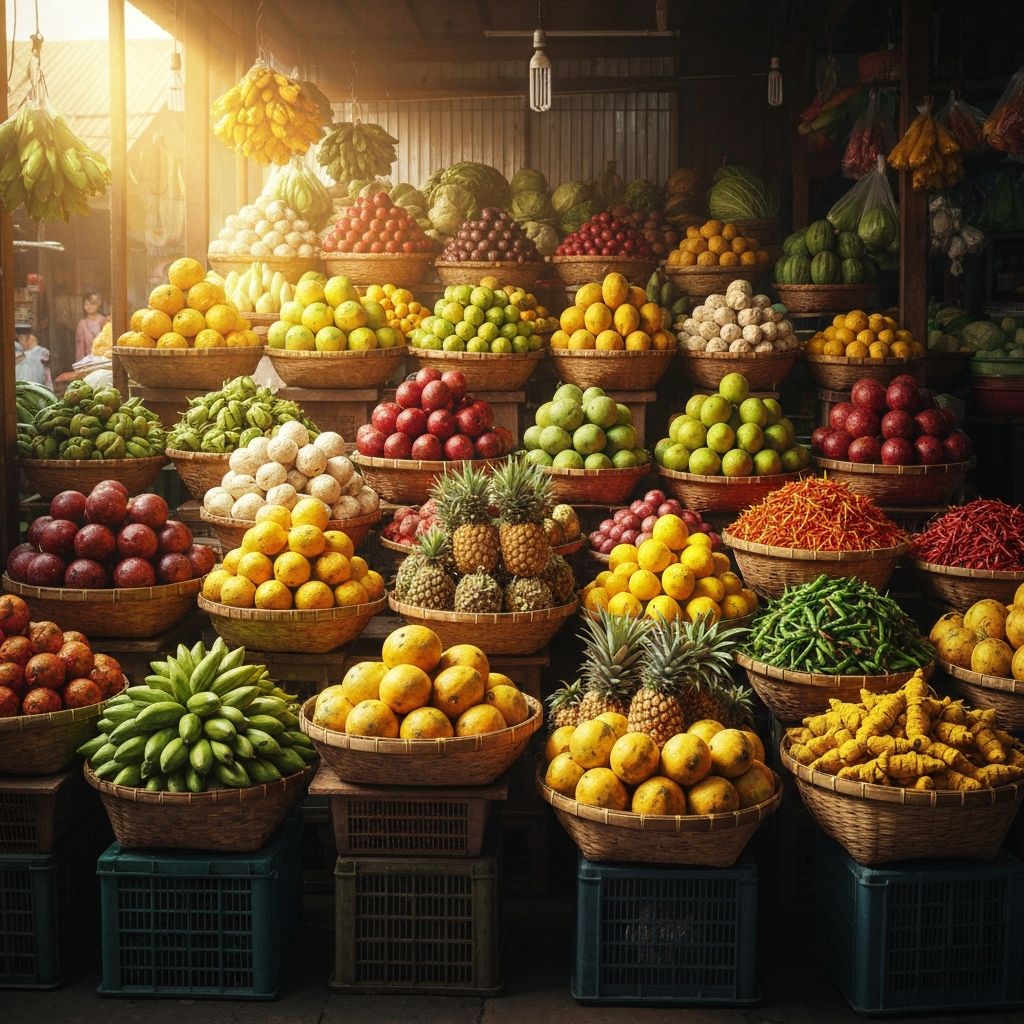
Indonesia's diverse archipelago encompasses numerous cultural traditions related to food and eating. Different regions have developed distinct culinary practices influenced by local agriculture, geography, and historical trade connections.
Rice serves as a central element in many Indonesian meal patterns, though other staples appear in various regional cuisines. The country's tropical climate supports year-round availability of many fruits and vegetables.
Traditional food markets remain important in Indonesian communities, providing access to fresh produce, spices, and prepared foods. These markets also serve social and cultural functions beyond commercial exchange.
Indonesian food culture reflects influences from various historical periods and trading relationships. This has resulted in diverse preparation methods, flavor combinations, and meal customs across different communities.
Hydration as a General Topic
Water consumption represents a fundamental aspect of human biology. The human body contains significant water content, and fluid intake occurs through beverages and water-containing foods.
Fluid needs vary based on factors including climate, physical activity levels, and individual physiology. Hot and humid environments, such as those found in tropical regions, may influence fluid consumption patterns.
Beyond plain water, various beverages contribute to fluid intake in different cultures. Tea, coffee, fruit juices, and other drinks appear in dietary patterns worldwide, each with their own cultural contexts and consumption traditions.
Information about hydration is presented for general awareness. Individual fluid needs vary based on many factors that differ from person to person.
Reading Food Labels Neutrally
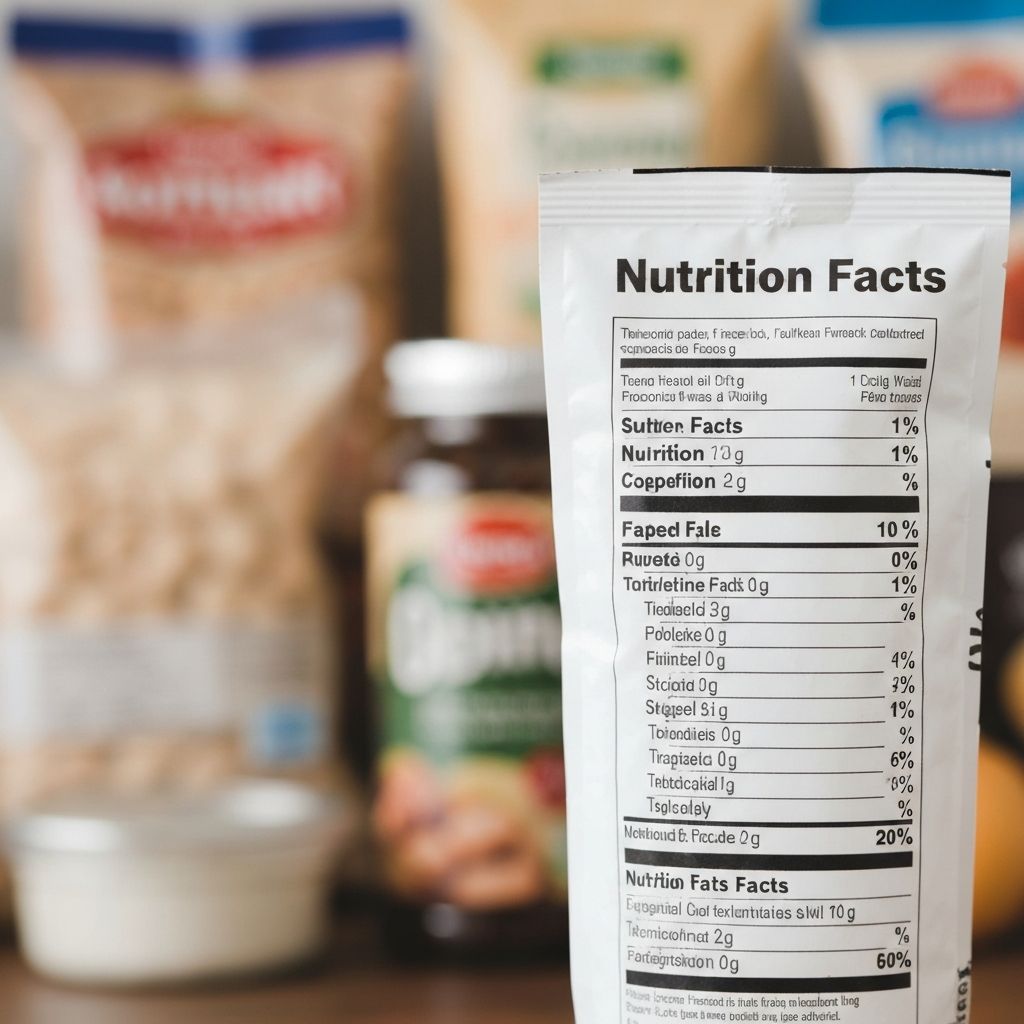
Food packaging in many countries includes standardized nutrition information panels. These labels provide data about the composition of packaged food products according to regulatory requirements.
Label formats vary by country and region. Indonesia, like many nations, has established guidelines for nutrition labeling on packaged foods sold within its borders.
Common label elements include serving size information, caloric content, and listings of various nutrients. The specific nutrients required for disclosure depend on local regulations and may differ across jurisdictions.
Understanding label terminology requires familiarity with measurement units and nutritional concepts. Various educational resources exist for those seeking to better understand food labeling conventions in their region.
Environmental and Social Factors

Food choices occur within broader environmental and social contexts. Geographic location, climate conditions, and agricultural systems all influence what foods are available and accessible in different areas.
Social factors including family traditions, community customs, and economic circumstances also shape eating patterns. Food often plays roles in celebrations, religious observances, and social gatherings across many cultures.
Environmental considerations have become increasingly discussed in relation to food systems. Topics such as food production methods, transportation distances, and packaging materials appear in contemporary conversations about food.
The relationship between food systems and environmental factors involves complex interactions that researchers and observers continue to study and document from multiple perspectives.
Limits of General Nutrition Information
General nutrition information, including content presented on this website, has inherent limitations. Such information cannot account for individual circumstances, personal factors, or specific situations.
Nutrition science continues to evolve as researchers conduct new studies and analyze data. Understanding of various nutrition topics has changed over time and may continue to develop as new information emerges.
Different authoritative sources sometimes present varying perspectives on nutrition topics. This reflects the complexity of the subject matter and the ongoing nature of scientific inquiry.
Information Context and Limitations
Content on this website is provided for general educational awareness only. It does not constitute personal guidance and is not intended to address individual circumstances. Multiple valid approaches to nutrition exist, and perspectives may differ among various sources and authorities. Readers are encouraged to consider information from multiple sources when exploring nutrition topics.
Frequently Asked Questions
What is the purpose of this website?
This website provides general educational information about nutrition concepts as they relate to daily life. The content is intended for awareness and context rather than as guidance for individual decisions.
Does this website provide dietary recommendations?
No. This website presents general information about nutrition topics but does not provide recommendations, advice, or guidance for individual dietary choices. Content describes concepts and contexts without directing readers toward particular actions.
Who creates the content on this website?
Content is prepared by the Nutrelia editorial team for general educational purposes. The information presented draws from publicly available sources and represents commonly discussed nutrition concepts.
Is this website affiliated with any commercial services?
This website operates as an independent educational resource. It does not sell products, provide services, or promote commercial offerings. The content exists solely for informational purposes.
How should readers use this information?
Readers may use this information to gain general awareness about nutrition topics. The content provides context and background but should not be treated as a basis for individual decisions. Readers with specific questions should consult appropriate qualified professionals.
Contact Information
Reach Us
Nutrelia
Jl. Setiabudi No. 42
Jakarta, Indonesia
Phone: +62 81 7 402 96 53
Email: [email protected]
Send a Message
Learn About Common Approaches
Explore additional educational content about nutrition concepts and their contexts in daily life.
Read for context